

Pet lab testing and blood work in Oldwick, NJ
Rapid answers when your pet is sick, and a clear baseline while they are well.
The right test, at the right speed
Blood, urine and stool tests show your veterinarian at Oldwick Animal Hospital in Oldwick what a physical exam cannot: how the kidneys and liver are working, whether thyroid or blood sugar levels have changed, and whether infection or intestinal parasites are present. Many of these problems are silent at first. The Cornell Feline Health Center notes that cats in the early stages of chronic kidney disease very commonly show no obvious signs, which is why it stresses regular bloodwork for every senior cat.
Oldwick Animal Hospital serves Tewksbury Township and the surrounding Hunterdon County villages with two kinds of veterinary lab testing, each for a different job. When a case is time-sensitive, our in-house equipment provides rapid results, so diagnosis and treatment can start sooner. For non-emergent cases and routine wellness screening, samples go to a credible outside reference laboratory. Every test is recommended as appropriate for your pet, and only after a thorough discussion between you and your veterinarian.
Oldwick Animal Hospital in Oldwick, NJ runs time-sensitive tests in-house for rapid results and sends routine and wellness samples to a credible outside reference laboratory, with every test recommended after a discussion with you.
- In-house testing when your pet is sick or the case is urgent, for rapid results and faster treatment
- Routine and non-emergent samples sent to a credible outside reference laboratory
- Annual wellness blood work recommended as a baseline for adult dogs and cats
- 4Dx heartworm and tick-borne disease testing for dogs, and fecal exams for dogs and cats, at the wellness visit
- Tests recommended as appropriate, after a thorough discussion between you and your veterinarian
Why lab work finds what your pet cannot tell you
Of senior cats found to have kidney disease, in a 2026 study of cats their owners believed were healthy, had owners who had noticed no change in urination.
JAVMA, 2026Apparently healthy senior and geriatric dogs had increased serum creatinine, a kidney value, on screening blood work in a published study.
Journal of Veterinary Internal Medicine, 2017Of the same apparently healthy senior and geriatric dogs had increased ALP, a liver enzyme, on their screening blood work.
Journal of Veterinary Internal Medicine, 2017Of kidney function a cat can lose before blood creatinine, the classic kidney value, generally rises. A urinalysis can show earlier clues.
Cornell Feline Health CenterNew Jersey dogs tested for anaplasmosis, a tick-borne disease, in 2025 had a positive result. The 4Dx test collected at the wellness visit screens for it.
Companion Animal Parasite CouncilFecal exams recommended in a puppy's or kitten's first year, because young animals are more susceptible to parasites.
Companion Animal Parasite CouncilHow lab testing works here
Rapid results when it is urgent
When your pet is sick or the case is time-sensitive, in-house equipment gives rapid results, so diagnosis and treatment can start sooner.
A reference laboratory for routine work
Wellness blood work, 4Dx and fecal samples go to a credible outside laboratory, the right home for non-emergent testing.
Discussed first, explained after
Tests are recommended only as appropriate and after a thorough talk with you, and results come with a clear explanation.
A baseline that makes change visible
Yearly wellness blood work records what normal looks like for your pet, so an early change stands out.
Signs your pet may need lab testing
Some lab work is scheduled. Some is prompted by a change you notice at home. Here is how to tell the difference, and how soon to call.
Wellness blood work, the 4Dx test for dogs and a fecal exam are collected at the visit and sent to the outside laboratory.
Older pets are seen every six months, and yearly wellness blood work follows kidney, thyroid and liver values over time.
A common early clue to kidney disease, diabetes, thyroid disease or Cushing's disease. Blood work and a urine test usually find the reason.
In older cats this often points to an overactive thyroid or diabetes, and both show up on blood work.
A fecal test identifies intestinal parasites such as roundworms, hookworms, whipworms and giardia, so treatment fits the cause.
A urinalysis checks for infection, crystals and blood, and shows how well the kidneys are concentrating urine.
Especially in male cats, this can mean a blocked bladder. Call right away rather than waiting to see if it passes.
This is what in-house testing is for: rapid results help your veterinarian start treatment sooner. Call us today.
What happens when your pet has lab work
Exam and a conversation
Your veterinarian examines your pet, explains which tests are worth running and why, and answers your questions before anything is run.
Collecting the sample
Most blood tests need only a small sample drawn from a vein. Urine and stool samples can often be brought from home.
In-house or outside laboratory
If your pet is sick or the case is urgent, tests run in-house for rapid results. Routine and wellness samples go to our outside reference laboratory.
Results, a plan and a baseline
Your veterinarian reviews the results and explains what was found, what it means for your pet and what is recommended next. Abnormal results lead to treatment or a recheck; normal results become your pet's baseline, so future tests can be compared against them.
At the wellness visit, dogs have a 4Dx blood test, which screens for heartworm and the tick-borne diseases Lyme, anaplasmosis and ehrlichiosis in one small sample, and dogs and cats have a fecal exam. Several intestinal parasites can pass to people, and a current fecal test is what allows us to prescribe your pet's monthly preventive. Read more about wellness exams.
In-house testing or the outside laboratory?
In-house testing When time matters
Used when your pet is sick or the case is time-sensitive. Our in-house equipment provides rapid results, so your veterinarian can reach a diagnosis and begin treatment sooner.
Outside reference laboratory Routine and wellness
Used for non-emergent cases, including annual wellness blood work and the 4Dx and fecal samples collected at the wellness visit. A credible outside laboratory handles the routine screening that does not need rapid answers.
Seen every six months, with yearly wellness blood work. Kidney and thyroid changes are common with age and far easier to manage when found at a routine visit.
Young animals are more susceptible to intestinal parasites, so the Companion Animal Parasite Council recommends repeated fecal testing in the first year.
Blood work before a procedure checks the organs that process anesthetic drugs. Your veterinarian recommends it as appropriate for your pet's age and health.
Some daily medications are processed by the liver or kidneys, so your veterinarian may suggest periodic blood work to confirm they are still a good fit.
How you can help get accurate results
Good lab results start at home. A few small habits make samples more useful and changes easier to catch.
Measure the water bowl
Fill it to the same mark each morning for a few days and note how much is gone. A gradual rise in thirst is easy to miss by eye and easy to see when measured.
Watch the litter box
Larger or more frequent urine clumps are often the first sign that a cat is drinking more. Mention what you see when you book.
Bring stool collected the same day
A small, fresh sample in a sealed bag or container is enough for a fecal test. Keep it cool until your appointment.
List every medication and supplement
Include flea, tick and heartworm products. Some medications change blood values, and your veterinarian reads results in light of them.
Check for ticks after time outdoors
Ticks can be active in Hunterdon County even during a warm spell in winter. Run your hands over your dog after walks and mention any tick you remove; the yearly 4Dx test screens for three of the diseases they carry.
Ask before skipping food or medicine
Never fast a diabetic pet or hold a prescribed dose before blood work without checking with us first. Never give human pain relievers such as ibuprofen or acetaminophen; they can be toxic to dogs and cats.
The veterinarians at Oldwick
Whichever veterinarian you see will talk through any recommended tests with you before they are run, and explain the results afterward. You are welcome to request a particular doctor when you book.
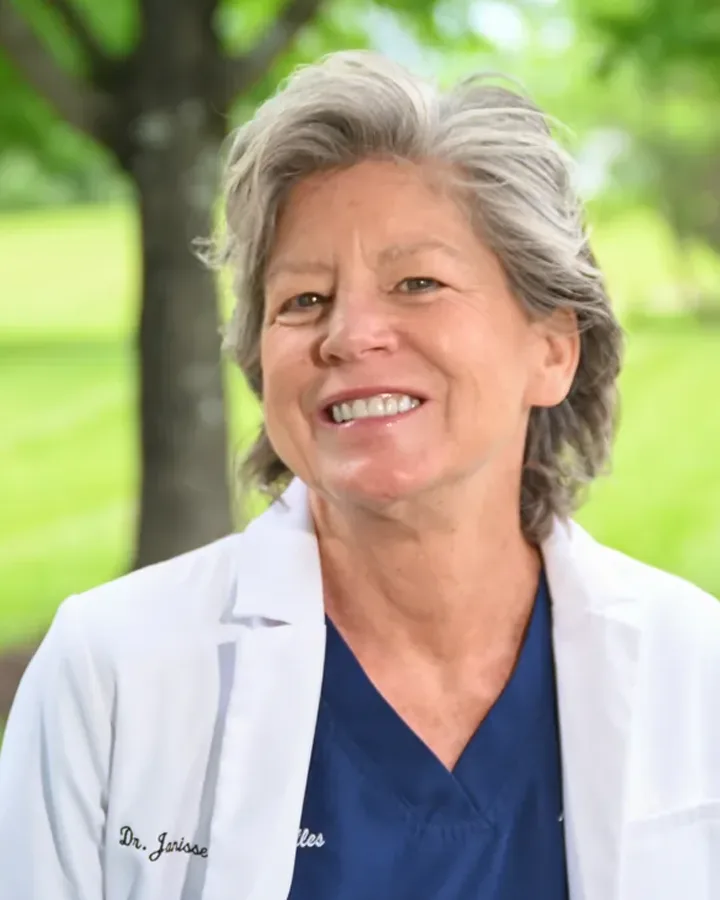
Dr. Janisse Marie Cailles

Dr. Anna Owren Fayne

Dr. Kerry Elizabeth Scholz
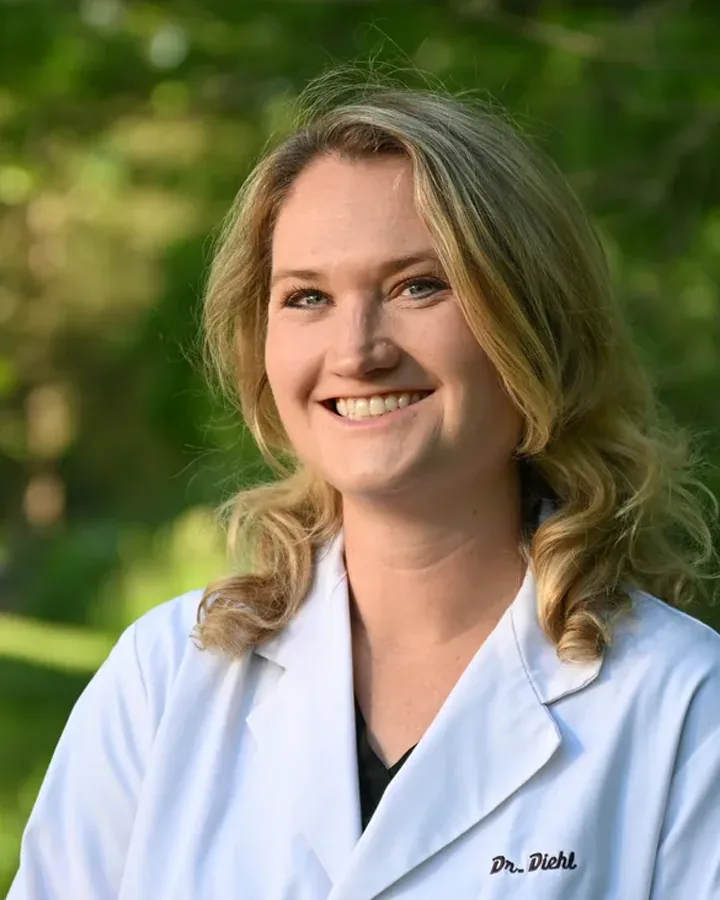
Dr. Leighann Diehl
Lab testing close to home
Oldwick Animal Hospital is at 130 Oldwick Road, Whitehouse Station, NJ 08889, just off Rt 78 along Rte 523/517, and a short drive from Tewksbury, Mountainville, Cokesbury, Whitehouse Station, Lebanon, Califon, Pottersville, Far Hills, Bedminster and Readington.
Monday - Friday: 8:00 AM - 6:00 PM
Saturday: 8:00 AM - 3:00 PM (medication pick-up)
Sunday: Closed
Saturday appointments are seen at Hunterdon Hills Animal Hospital in Whitehouse Station, three miles away. The Oldwick reception desk is open Saturdays 8 AM to 3 PM for medication pick-up.
Lab testing questions
Does my pet need to fast before blood work?
Sometimes. A recent meal can cloud a blood sample with fat and raise values such as glucose, which makes some results harder to read. Whether your pet should fast depends on the tests planned, so ask when you book. Water is usually fine. Diabetic pets should never fast without instructions.
How will I get my pet's lab results, and when should I expect to hear from you?
It depends on where the test is run. In-house tests give rapid results, which is why they are used when a pet is sick. Routine samples sent to the outside laboratory take longer. Before you leave, ask your veterinarian how you will hear about results. Questions afterward? Call or text (908) 439-2470.
What do a CBC and a chemistry panel show?
A complete blood count (CBC) looks at red cells for anemia, white cells for infection or inflammation, and platelets for clotting. A chemistry panel measures values tied to the kidneys, liver, blood sugar, proteins and electrolytes. Together they give a broad picture of how the body is working, and a baseline for next year.
How do I collect a urine sample from my pet at home?
For dogs, slide a clean, shallow container under the stream on a leashed walk, ideally first thing in the morning. For cats, wash the litter box and fill it with non-absorbent litter beads, a method the Cornell Feline Health Center describes. Seal the sample, refrigerate it and bring it in the same day.
Why does my pet need blood work before anesthesia?
Anesthetic drugs are processed by the liver and kidneys, so blood work checks that those organs are working well before a procedure. It also looks for anemia, low platelets that could affect clotting, and abnormal blood sugar. If something turns up, your veterinarian can adjust the drugs or fluids, or postpone until it is treated.
Why are routine tests sent out while sick pets are tested in-house?
Because speed matters most when a pet is unwell. In-house equipment gives rapid results for time-sensitive cases, so diagnosis and treatment can start sooner. Routine screening such as annual wellness blood work, the 4Dx and fecal exams is non-emergent, so those samples go to a credible outside reference laboratory. Both are chosen with you.
What does a fecal test look for?
A fecal test checks your pet's stool for intestinal parasites, including roundworms, hookworms, whipworms and giardia, several of which can pass to people. That is why a fecal exam is part of the wellness visit for dogs and cats. The Companion Animal Parasite Council recommends more frequent testing for puppies and kittens, who are more susceptible.
Care that works together
Part of the Symbios network
A family of 6 neighborhood animal hospitals across New Jersey, every one 100% independently and family owned. Each is rooted in its own community and run by its own doctors and front desk team, with colleagues across the family comparing notes behind the scenes. Specialists, extended weekend hours, and shared records are all just down the road.
The personal touch of your neighborhood hospital, with a whole family of doctors behind it.
Ready to schedule your pet's lab work?
Call or text us, or request an appointment online. If your pet is unwell, say so when you call, and bring any stool or urine sample you have collected.